Mike Steger examines trade, nuclear energy, and national defense through the history of the American System, connecting Kennedy’s industrial policies, Reagan’s research, and Trump’s Golden Dome.
IRGC’s open letter to American voters: it blames the CIA, Israel and Wall Street, but never once names the British. From Mosaddegh in 1953 to Suez in 1956, here’s what that omission gives away.
Two systems faced off this week: an American mine-to-mill build-out, and a British system that hoards diesel and sells a country for parts. The pump is not the ballot.
Due largely to President Donald Trump's praise for McKinley's tariff policy, as well as Trump's restoring McKinley's name to our nation's highest peak, he is once again being discussed.
But how much does the average American, or the average Republican elected official, know about McKinley? Probably not very much.
It is as if he was erased from our nation's collective memory on the day he was assassinated by a British agent.
Yet he is a total mystery to most Americans.
Yes, McKinley was the great champion of Protective Tariffs. His 1890 McKinley Tariff was the highest in the nation's history, and he accomplished the creation of a productive economic powerhouse in America, the likes of which had never been seen before.
But he was more than just "Mr. Tariff." Much more.
From 1897 to 1901, President William McKinley waged a relentless war to break the financial and geopolitical power of the British Empire and to assert the Principles of the American Revolution as the basis for relations in world affairs.
He challenged the imperial ambitions of Britain, France and Spain. And through his policy of "reciprocity" he fought to secure a world of sovereign nations, working together to secure a future of peace and economic prosperity. McKinley's actions threatened to end British imperial domination, and for this he was assassinated.
McKinley took on Wall Street. He championed the interests of Labor and working families. He was the last great defender of civil rights for the freed slaves to occupy the White House until the 1960s.
And always—always—he stood unflinchingly for the Principles of the American Republic. In a speech in 1891, he declared:
"PRINCIPLES MUST ALWAYS LEAD; they are the advance guard of right thought and action. . . . The Declaration of Independence, which sounded the voice of liberty to all mankind, was in advance of the thought of the great body of the people. . . . It took a hundred years of National life and National thought and earnest agitation, and at last wasting war, to place this Government where the Declaration of Independence anchored it..."
McKinley was a hero, one of our greatest Presidents, perhaps the greatest after Washington and Lincoln.
Author, historian, political organizer. Published books on American history, Dante, the global drug trade, the Anglo-Dutch Empire and National Banking. Former Editor at Executive Intelligence Review.
Founding member of the LaRouche movement in the 1960s. Former editor of LaRouche’s writings and EIR magazine. Regular host of our Saturday class series.
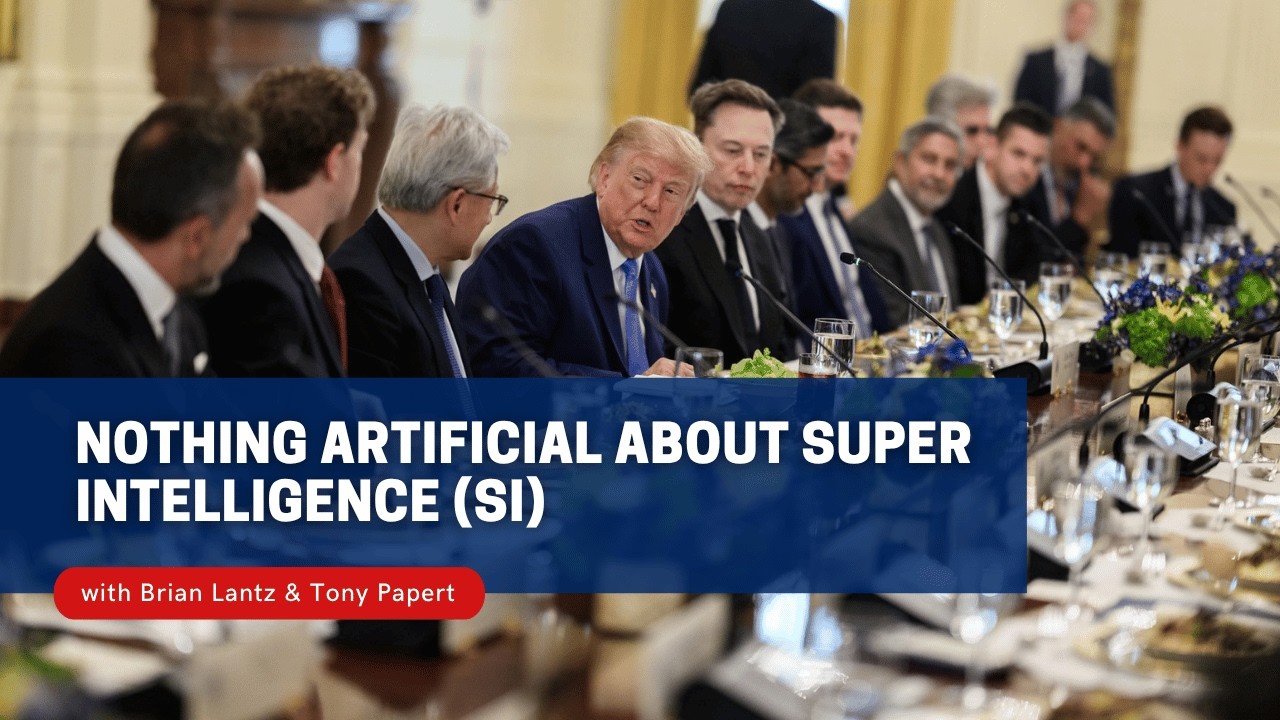
Why “super” and not “artificial”? Brian Lantz shows SI at work in an Arizona copper mine, aimed at a nuclear-powered Moon, and in service of new forms of human creativity. Watch the full class.
Two conductors. One score. Two opposite ideas of man. This week's Class puts Furtwängler against Toscanini — and tonal against atonal. The fight over your ear is the fight for your children's future.
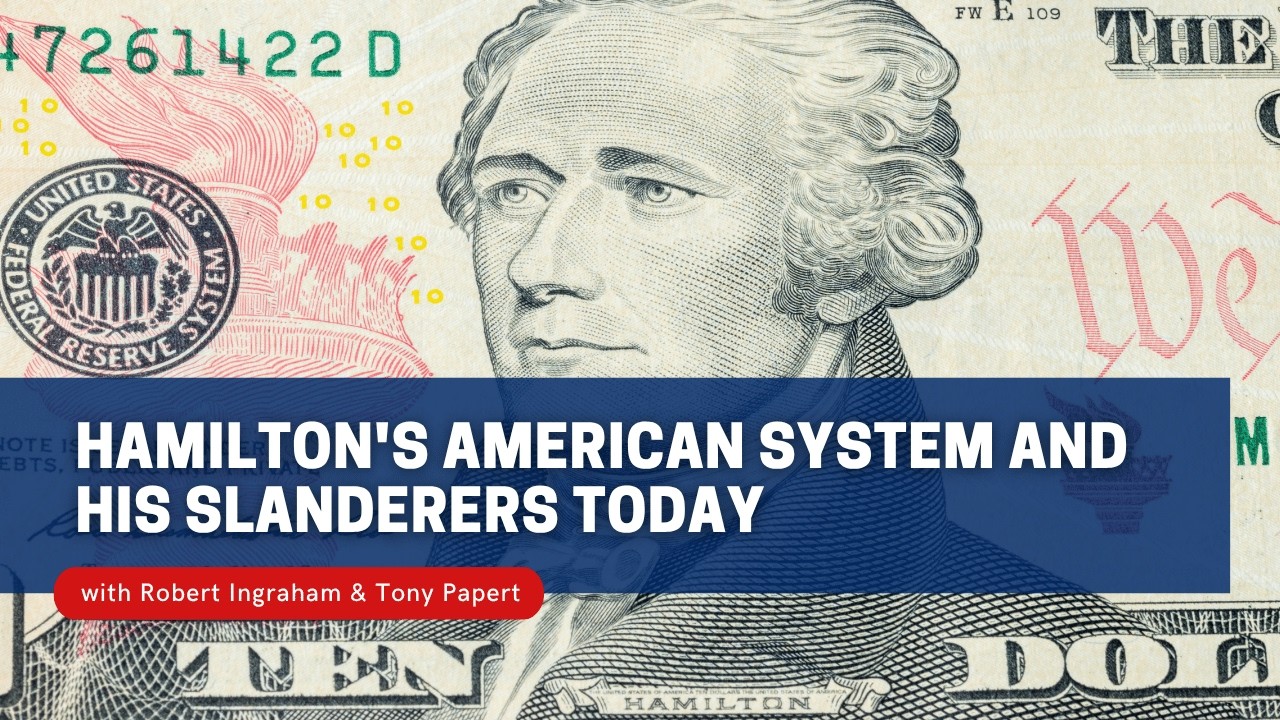
Bob takes on the slanders against Alexander Hamilton and the British-finance axioms most Americans still carry — and why Hamilton's bank is not the Fed.
Bruce Director digs into your comments from the Aug 29 class: why the British System is inherently entropic, why no equation can predict a creative discovery, and how frontier science backs the American System’s idea of man.